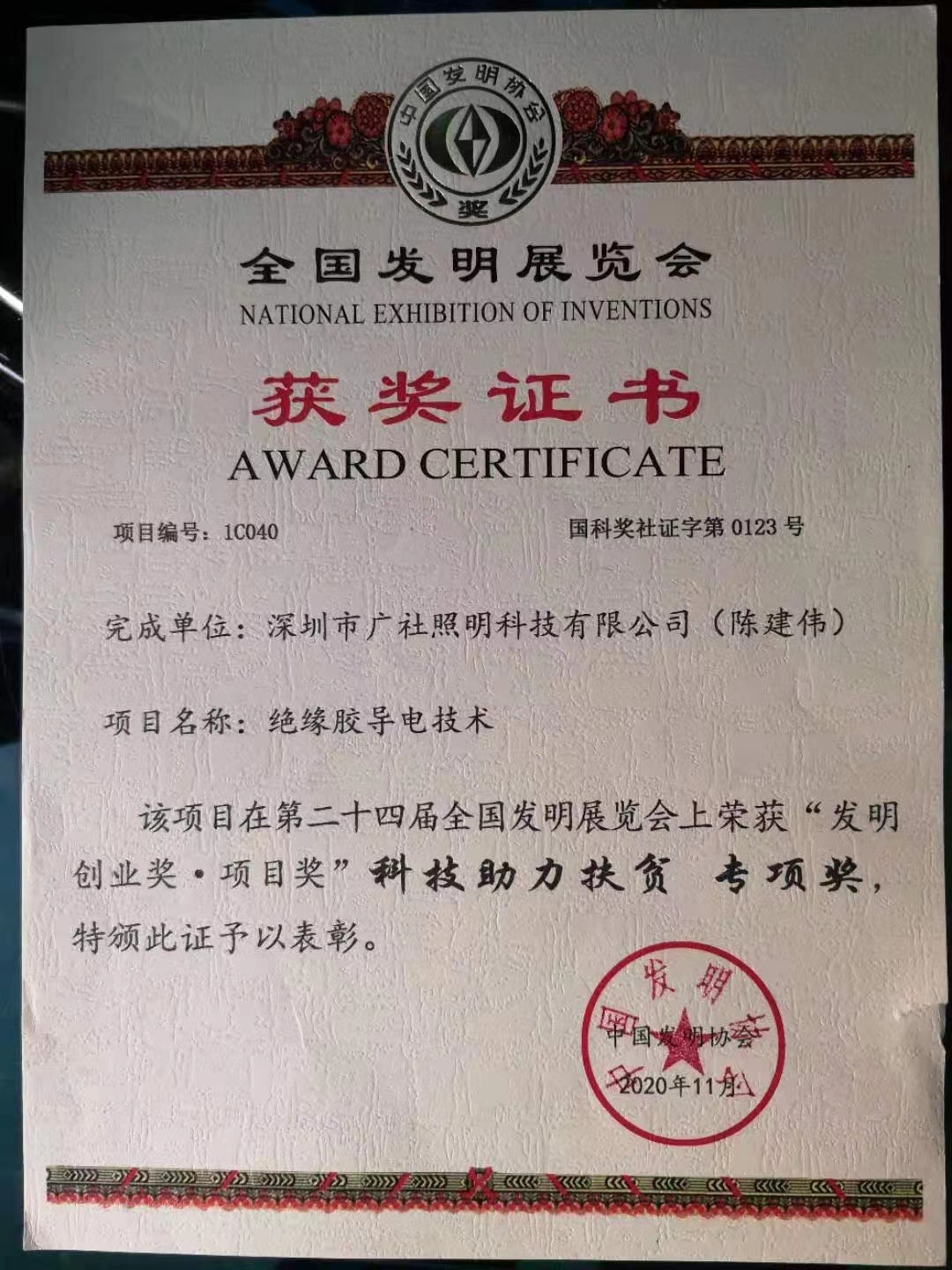
Zhu Li Heterogeneous LED technology represents a significant advancement in the field of lighting solutions. This innovative approach integrates various LED components, each designed to optimize specific aspects of light output, such as brightness, color accuracy, and energy efficiency. The term "heterogeneous" underscores the diverse composition of these LEDs, which can include different materials, structures, and configurations working in unison.
The primary advantage of Zhu Li Heterogeneous LED technology lies in its ability to deliver superior lighting performance compared to traditional homogeneous LED systems. By combining LEDs with distinct characteristics, manufacturers can achieve a more balanced and efficient light distribution. This results in reduced energy consumption and longer operational life, making it an environmentally friendly and costeffective solution.
One of the key features of Zhu Li Heterogeneous LED technology is its versatility. It can be tailored to meet the specific needs of various applications, from residential lighting to industrial and commercial settings. For instance, in residential settings, these LEDs can provide warm, cozy lighting for living rooms and bedrooms, while in industrial environments, they can offer bright, highintensity light for work areas.
Another notable aspect of this technology is its enhanced color rendering index (CRI). Zhu Li Heterogeneous LEDs can produce light that closely mimics natural sunlight, which is crucial for tasks that require accurate color perception, such as art studios, design workshops, and retail spaces. This improved color accuracy not only enhances visual comfort but also maximizes the aesthetic appeal of the surroundings.
In conclusion, Zhu Li Heterogeneous LED technology offers a comprehensive and innovative solution for modern lighting needs. Its ability to optimize multiple lighting parameters simultaneously makes it a standout choice for a wide range of applications. As the demand for energyefficient and highperformance lighting continues to grow, this technology is poised to play a pivotal role in shaping the future of illumination.